info@rubertpartners.com |
  +971 4 238 0965 |
  API World Tower - Ground Floor, Dubai Creek Tower Office 10B Deira, Dubai



Background to UAE Corporate Crisis Impact – Operational Pressure Without Structural Disruption
The UAE corporate crisis impact is increasingly visible at an operational level, particularly in relation to compliance management, workforce mobility, and visa processes.
However, it is important to distinguish between operational disruption and structural risk. While day-to-day business activity may be affected, the underlying corporate frameworks in the UAE—particularly holding structures, regional hubs, and foundations—remain largely unaffected.
In most cases, the risk arises not from the structure itself, but from how it is managed during periods of uncertainty.
1. Compliance Obligations during the perceived UAE Corporate Crisis Impact
Corporate compliance obligations in the UAE remain unchanged despite external disruption. Licence renewals, regulatory filings, and governance requirements continue to apply in full.
In practice, businesses facing operational pressure may deprioritise administrative processes. This often leads to missed deadlines, penalties, or restrictions on activity.
The legal framework does not adapt to disruption. Companies are expected to remain compliant regardless of circumstances.
2. Visa Management and Workforce Mobility Constraints
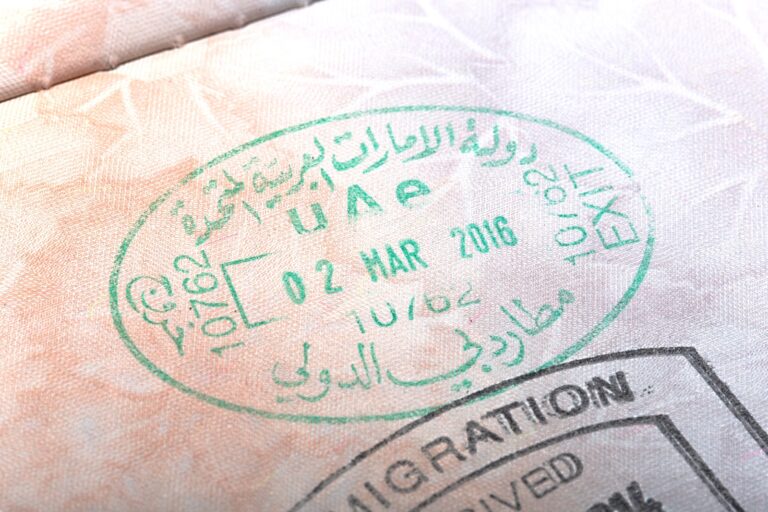
Visa and immigration compliance have become immediate areas of concern.
Employees may be temporarily outside the UAE, unable to return, or affected by delays in processing. At the same time, companies remain responsible for maintaining valid visa status and meeting regulatory requirements.
This creates a disconnect between operational reality and legal obligation. Without active management, this gap can lead to non-compliance.
3. Governance and Loss of Oversight during the UAE Corporate Crisis Impact
Periods of disruption tend to weaken internal governance.
Decision-making may become reactive, documentation less consistent, and oversight reduced. In this context, risks are often not identified until they materialise.
From a legal perspective, governance failures can have broader implications, particularly where directors’ duties and corporate accountability are concerned.
The issue is not the disruption itself, but the loss of structure in response to it.
4. Operational Disruption Does Not Equal Structural Risk
A common reaction in uncertain conditions is to question the viability of existing corporate structures. However, most current challenges are operational in nature.
Travel disruption, communication delays, and workforce constraints affect how businesses function, but do not typically undermine the legal integrity of the entity itself.
Misinterpreting operational pressure as structural weakness can lead to unnecessary restructuring and avoidable cost.
5. Structural Stability of Holding Companies, Regional Hubs and Foundations
Certain structures remain inherently resilient.
Holding companies, used for asset ownership and investment structuring, are not dependent on day-to-day operational activity.
Regional hub entities continue to serve their coordination and strategic function, even where execution is temporarily adjusted.
Foundations and asset protection structures, by design, operate independently of operational volatility.
This separation between structure and operation is a key strength of UAE-based setups.
Where the Real Risk Lies during the UAE Corporate Crisis Impact
The primary exposure in the current environment is linked to execution rather than design.
Where compliance is not maintained, governance is weakened, or visibility is reduced, risk increases.
Conversely, structures that remain properly managed continue to function as intended.
What Businesses Should Consider
In this context, the appropriate response is measured and disciplined.
Maintaining compliance calendars, actively managing visa status, and ensuring governance processes remain in place will address the majority of current risks.
Structural changes should not be driven by short-term operational disruption.
Looking Ahead the UAE Corporate Crisis Impact
The UAE continues to provide a stable and reliable corporate environment, even in periods of geopolitical uncertainty.
While operational challenges require attention, they do not undermine the underlying strength of UAE corporate structures.
The focus should remain on maintaining control, rather than reconsidering the structure itself.
Rubert & Partners continues to assist companies operating in the UAE and internationally in navigating the legal consequences of the current crisis.
Businesses affected by operational disruption may benefit from conducting an urgent legal risk assessment to identify contractual exposure and protective measures.
We invite you to explore the following Rubert & Partners resources, where you will find practical information and guidance on legal and corporate matters in the United Arab Emirates:
R&P Help Center – providing direct answers to frequently asked questions on UAE legal and corporate topics.
R&P Publications – offering more comprehensive insights and analysis on key legal, regulatory, and business issues affecting companies and individuals operating in the UAE.
Maria Rubert’s YouTube Channel – offering insights on UAE law and practice.
Should you have any questions or require tailored legal advice, please do not hesitate to contact our team:
Email: info@rubertpartners.com
Telephone: +971 4 528 0625
WhatsApp: +971 50 351 4036
Disclaimer
The information provided in this publication is for general informational purposes only and does not constitute legal advice. While every effort has been made to ensure the accuracy of the information at the time of publication, laws, regulations, and their interpretation may change. Readers should not act or refrain from acting based on this material without seeking professional legal advice tailored to their specific circumstances. Rubert & Partners accepts no responsibility for any loss arising from reliance on the information contained herein.